
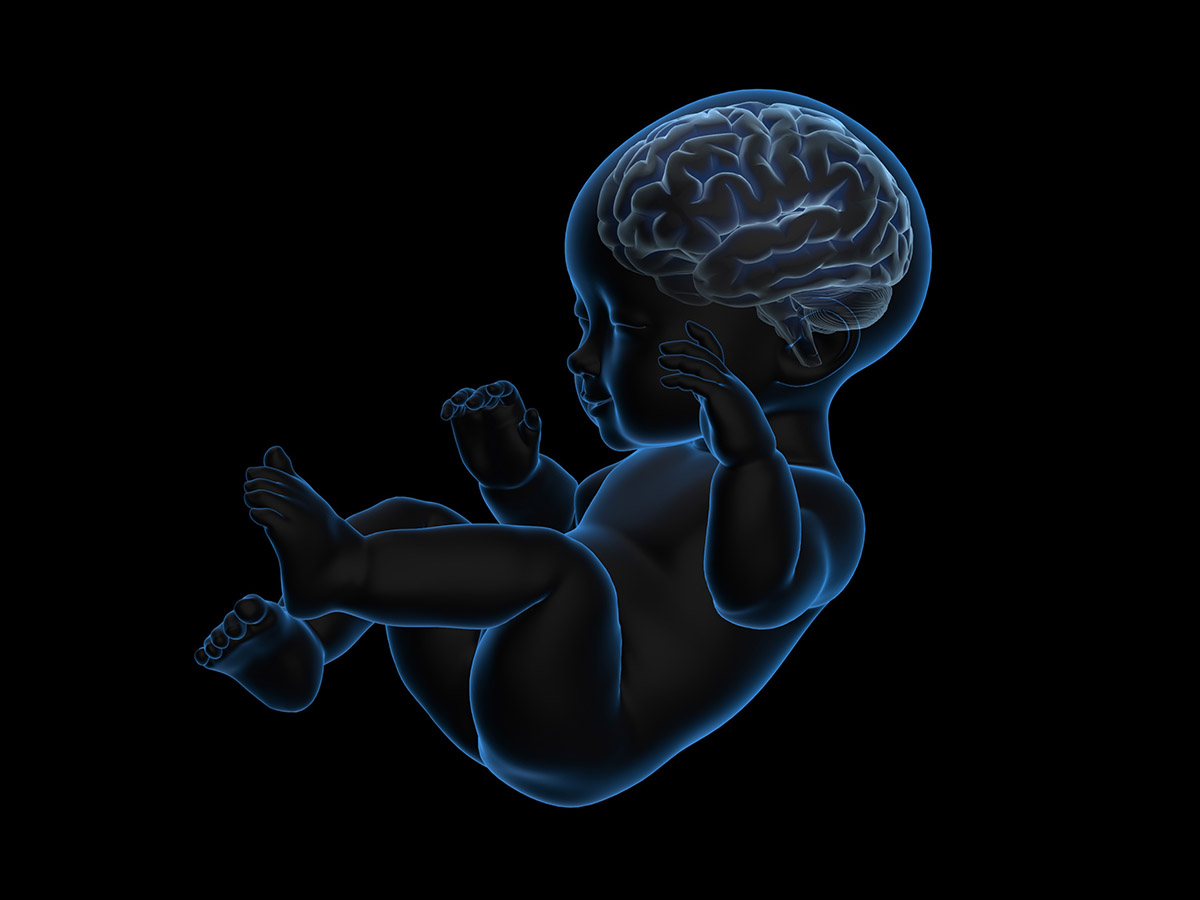
Hydrocephalus is a medical condition that affects children worldwide. It is characterized by an excessive accumulation of cerebrospinal fluid in the ventricles of the brain, which can cause pressure and damage to brain tissue.
What causes hydrocephalus in children?
Hydrocephalus can be congenital, meaning the child is born with it, or acquired, developing after birth due to injury or illness. Some of the most common causes include:
Obstruction of cerebrospinal fluid flow: It can be caused by congenital malformations, such as narrowing of the ducts or blockage in the outflow of cerebrospinal fluid from the brain.
Cerebral hemorrhage: It can occur in premature babies or as a result of head trauma.
Infections: Some infections, such as meningitis, can cause inflammation and blockage in the brain's blood vessels.
Symptoms of hydrocephalus in children
It's important to be aware of the signs and symptoms of hydrocephalus in children, as early diagnosis and appropriate treatment can make a significant difference in their development. Some common symptoms include:
Abnormally large or rapidly growing head.
Bulging fontanelles (the soft spots on the top of babies' heads).
Changes in vision, such as difficulty focusing or strabismus.
Intense and persistent headache.
Nausea and vomiting.
Changes in behavior, such as irritability or excessive sleepiness.
Balance and coordination problems.
Management of hydrocephalus in children
Treatment for hydrocephalus in children generally involves the placement of a shunt or shunt Cerebral. This is a small tube that is surgically placed to drain excess cerebrospinal fluid to another part of the body, such as the abdomen, where it can be properly absorbed.
In addition to surgical treatment, it is important to have a multidisciplinary team that includes neurologists, neurosurgeons, occupational therapists, physical therapists, and speech therapists. These professionals will work together to provide the best possible care and support for the child.
The TOi Robot has proven to be an effective aid in therapies and rehabilitation for the treatment of hydrocephalus, as it can address fine motor skills, psychomotor abilities, balance, and hand-eye coordination, as well as equilibrium and posture—all elements that can be affected by hydrocephalus. Furthermore, it allows therapists to create customized sessions because the routines and activities are fully adjustable and measurable.
It is essential that parents and caregivers are informed and have access to educational and support resources. Specialized organizations and support groups can provide valuable information, share experiences, and offer guidance for addressing the challenges associated with hydrocephalus.
 English
  Español de México