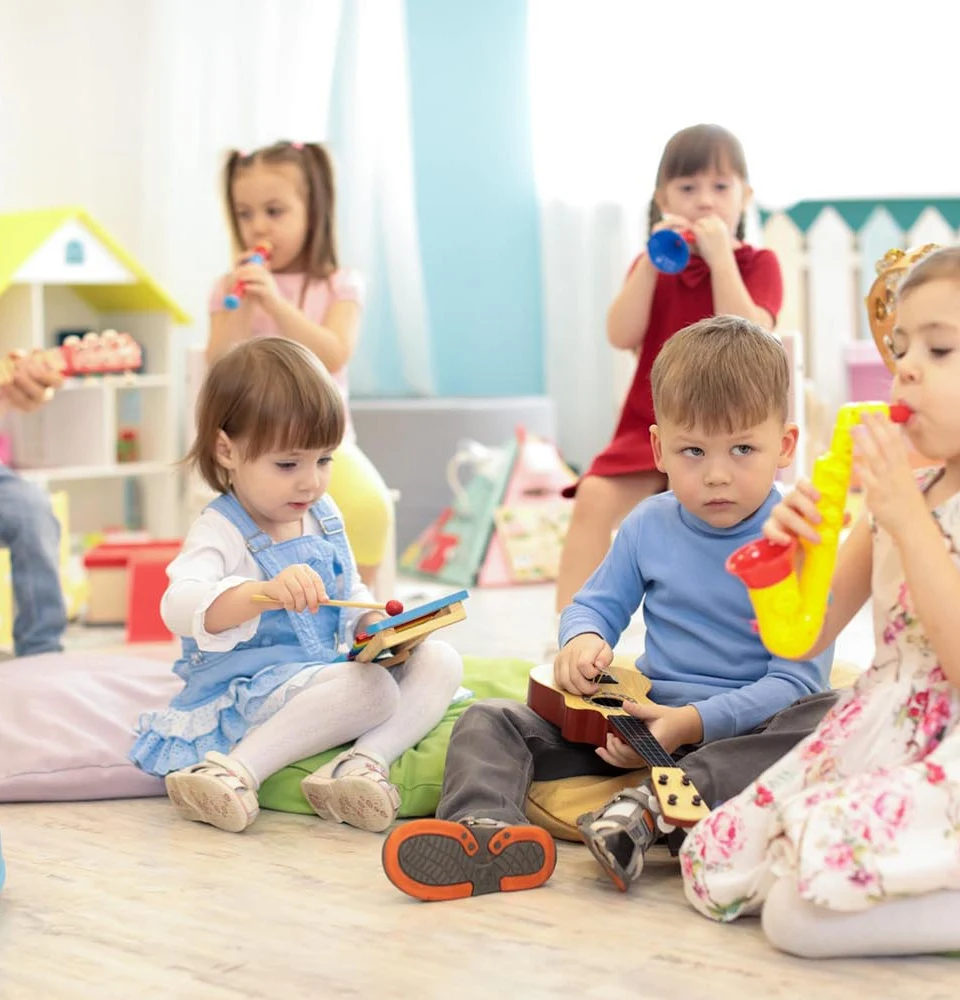
Multisensory stimulation is key to focusing therapies on different conditions, and one tool within this approach is the use of sound. Sound can be merely complementary to create an optimal environment that helps the child be more receptive or to have a functional use to stimulate cognition, for example, animal sounds, environments, and activities that lend themselves to dialogue and application within therapy.
Some authors argue that the use of sound is effective in developing auditory and language skills, as it can help children learn to identify different sounds and develop auditory and language skills.
Auditory stimulation can be a valuable tool if the therapist uses it creatively and in combination with other techniques such as onomatopoeia, memory games, verbalizations, and descriptions. These exercises can stimulate specific cognitive functions and help generate positive reactions in patients with various disorders.
In addition, auditory stimulation can be supported by visual, vestibular, and even olfactory resources such as those included in state-of-the-art systems like TOi Robot.
It is essential that therapy sessions include exercises and activities that are meaningful and valuable to children and that properly stimulate their full development. It is important to emphasize that the use of sound as a therapeutic aid is only one part of comprehensive multisensory stimulation and pediatric occupational therapy.
Possibilities of TOi Robot in auditory stimulation
TOi Robot is an advanced system for delivering occupational therapy to children, capable of stimulating six of the seven human senses: sight, touch, hearing, smell, vestibular sense, and proprioception. Its playful and motivating approach has proven highly effective in treating various conditions.
The TOi robot can be programmed to play musical and animal sounds that can be used in conjunction with the Sensy Magic cube and rocker to create routines tailored to each patient and that can be adjusted in real time via its app.
TOi Robot also creates real-time verbal interactions with children, motivating their understanding of cause and effect.
Another way to use sounds is auditory-verbal therapy, a technique that seeks to improve the spoken language skills of a child with hearing deficits to the level of a child with typical hearing by developing listening skills independently of other signals such as speech reading and gestures.
 English
  Español de México