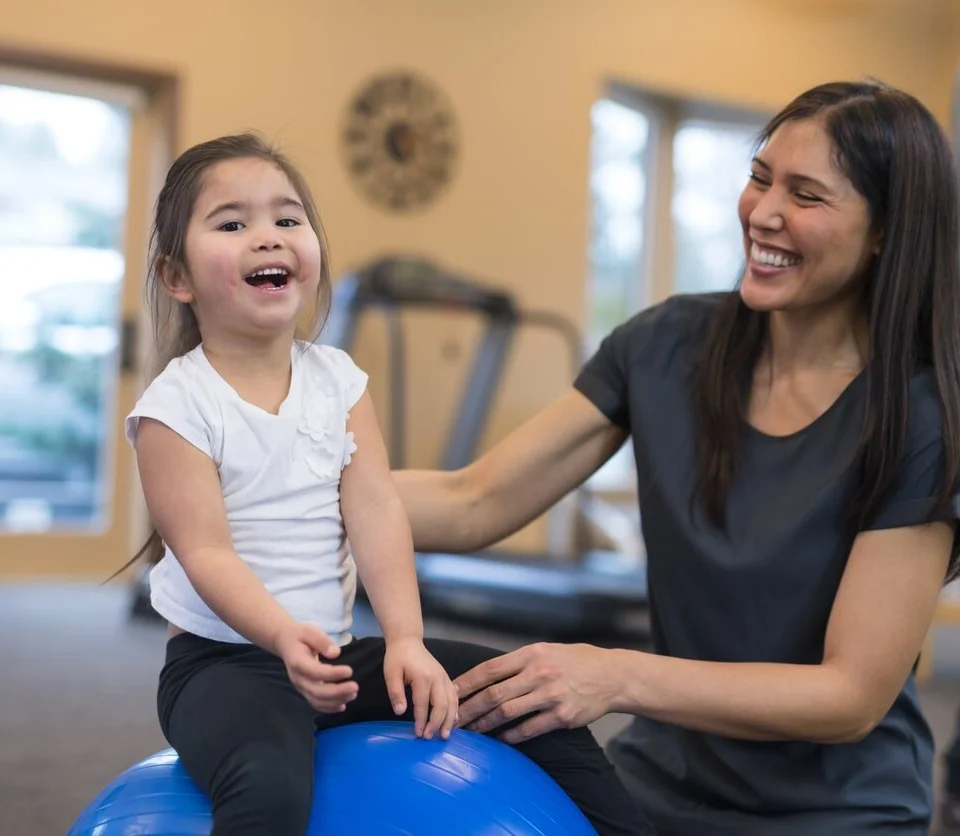
When it comes to girls and boys who go through conditions like cerebral palsy in children, autism o psychomotor delay, Emotional well-being and personal autonomy are fundamental to their development and quality of life. Therapists and parents play a crucial role in providing a supportive environment that fosters both emotional balance and independence.
Emotional Well-being: The Foundation of Development
Emotional well-being is a cornerstone for any child, and for those facing challenges such as cerebral palsy, psychomotor delay, or autism, it is even more essential. Here are some key characteristics of emotional well-being in children who need therapy for a clinical condition.
Empathic Communication: Therapists and parents must create a safe space where infants feel comfortable expressing their emotions and needs. Empathetic communication is essential. A pleasant environment in therapy and at home greatly helps facilitate children's expressiveness.
Promoting Self-EsteemHelping the child recognize their own achievements and abilities, no matter how small, is essential to building positive self-esteem.
Stress Management: Teaching stress management strategies, such as deep breathing and using words to express emotions, can help children cope with challenging situations and prevent outbursts of anger, frustration, and a decline in their self-image.
Emotional Support: Recognizing and validating the child's emotions, without judgment, is key to building a relationship of trust.
Personal Autonomy: Empowering Independence
Personal autonomy It is an essential component for developing skills and building self-esteem. Here are some important features:
Everyday Skills: Teaching basic self-care skills, such as dressing, brushing teeth, and eating independently, empowers the child to perform these tasks on their own.
Decision making: Involving the child in age-appropriate decision-making, such as choosing clothes or snacks, fosters independence and responsibility.
Encourage Exploration: Providing opportunities for the child to explore their environment and interests, even if this involves adaptations, stimulates curiosity and independence.
Gradual Support: Provide gradual support as the child acquires new skills, allowing them to develop self-confidence.
Integrating Emotional Wellbeing and Personal Autonomy
True strength lies in the synergy between emotional well-being and personal autonomy. Here are some ways to integrate both dimensions:
Open CommunicationOpen and honest communication about emotions and challenges while working on skills development. Clear conversations and interactions are an irreplaceable foundation for understanding each child's needs.
Celebration of Achievements: It is important to recognize and celebrate the achievements of children facing adverse clinical conditions, both emotional and functional. Let us remember that there are no small achievements and that mastering a simple action can often represent a huge effort for children. Understanding and communicating this will create a positive self-image in them.
Flexible Support: Children's needs change over time. Parents and therapists must pay attention to these changes and be flexible in adapting routines and tools gradually.
Quality Time: Quality time between parents and children is irreplaceable. When they participate together in activities that encourage exploration, creativity, and emotional expression, children's sense of security will be strengthened, becoming an important part of their development.
Emotional well-being and personal autonomy are two fundamental pillars in the development of children with disabilities. By providing a supportive environment that nurtures these dimensions, therapists and parents can help children grow and thrive, building a strong foundation for their future. Together, we can empower these children to become independent and emotionally resilient individuals.
 English
  Español de México